States take steps to secure vote after federal pullback
States are taking greater responsibility for election security amid federal cuts and emerging AI-enabled threats.
State officials have largely taken securing the 2026 midterm elections into their own hands after nearly two years of federal program and funding cuts during the second Trump administration.Why it matters: The reduction in federal support has come as AI tools threaten to make it easier for hackers to uncover software vulnerabilities, launch cyberattacks, and spread disinformation that undermines trust in election results.Reality check: Just because a security flaw exists doesn't mean hackers…
Axios
Source
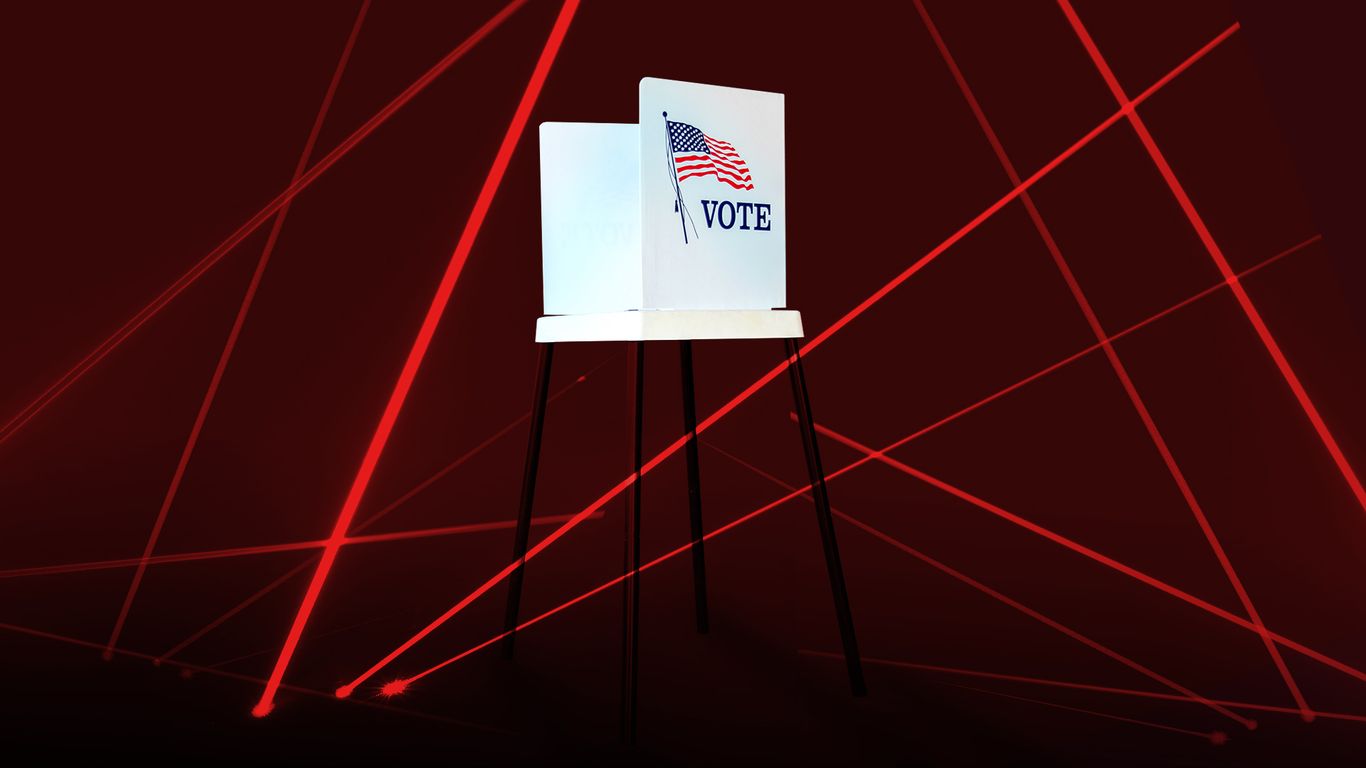
State officials have largely taken securing the 2026 midterm elections into their own hands after nearly two years of federal program and funding cuts during the second Trump administration.Why it matters: The reduction in federal support has come as AI tools threaten to make it easier for hackers to uncover software vulnerabilities, launch cyberattacks, and spread disinformation that undermines trust in election results.Reality check: Just because a security flaw exists doesn't mean hackers can exploit it to manipulate election results. Nearly all U.S. elections maintain paper records that can be used to verify electronic tallies.Threat level: Election officials are preparing for everything from cyberattacks and AI-generated disinformation to physical threats, logistical disruptions and legal challenges.The big picture: State election officials relied on homeland security agencies, fusion centers, police, National Guard units and private cybersecurity firms to prepare for the midterms, John Milhofer, a spokesperson for the National Association of Secretaries of State, told Axios.That group and the National Association of State Election Directors are helping states exchange threat intelligence and connect with federal agencies and private sector experts.Catch up quick: State resources have become more important after the Trump administration scaled back federal election security assistance.CISA cut election security personnel and services in 2025, while federal funding for the Elections Infrastructure Information Sharing and Analysis Center, a key information-sharing network for election officials, ended that year.Election officials are receiving fewer election-specific threat briefings and less direct technical assistance, even after CISA outlined plans to restore some services in September. Zoom in: Michael Moore, chief information security officer for the Arizona secretary of state's office, told Axios that the state has been without a dedicated CISA cybersecurity adviser since March 2025.The Arizona Department of Homeland Security has helped fill the gap, providing security tools and monitoring services to smaller counties.On Election Day, Arizona is bringing together its state cybersecurity team, National Guard, the FBI and a representative from CISA's Region 9 office to coordinate responses to potential threats, Moore said. Moore's team has spent years conducting tabletop exercises covering cyberattacks, AI-generated impersonations of election officials, suspicious packages and other disruptions.Between the lines: Arizona is also getting threat intelligence from former CISA personnel who work in the space, election security nonprofits and officials in other states.Moore said his relationship with New Jersey's election security officials is particularly useful because his East Coast counterparts can warn him about threats hours before they might emerge in Arizona.What they're saying: A CISA spokesperson said in a statement that the agency will provide state and local government officials, including election officials and election vendors, "no-cost voluntary services" like vulnerability scanning and technical expertise, when they request it."We are committed to supporting state and local elections officials to protect election infrastructure and safeguard our democracy," the spokesperson added. Yes, but: Moore said he still wants CISA to return to its 2024 staffing levels — and then double them."If we are literally experiencing a cyberattack from a nation-state, it shouldn't be Arizona versus that nation-state," Moore said. "We're the United States of America. It should be a unified response."David Becker, executive director and founder of the Center for Election Innovation and Research, told reporters during a briefing Thursday that states have hired vendors and built their own networks to compensate for the federal retreat."They might not be able to replace everything," Becker said. "They're not going to get the same bird's-eye national-level view of potential disinformation or potential cyber events."The bottom line: Election officials said they're prepared for disruptions, even if they can't prevent every attack."The goal is prevent as much as we can, detect and recover," Moore said. "We're going to have some amount of disruption.... We're going to recover."
Generated insight by OnAirToday AI
Federal support for election security has been reduced while AI tools could make cyberattacks and election disinformation easier. That combination puts more responsibility on state officials to protect systems and public trust ahead of the 2026 midterms.

Comments
Keep comments relevant and respectful. No links, advertising, self-promotion, or spam.